Alberta’s one-time $100 Energy Rebate is open until September 30. Who qualifies, who gets paid automatically, and the household rule worth $300 to some families.

Alberta’s one-time $100 Energy Rebate is open until September 30. Who qualifies, who gets paid automatically, and the household rule worth $300 to some families.

Home service businesses across Alberta are quietly losing jobs to AI recommendations that only pick 3-4 contractors per search. Here’s what’s driving the drop – and why your reviews and rankings won’t show you the problem.
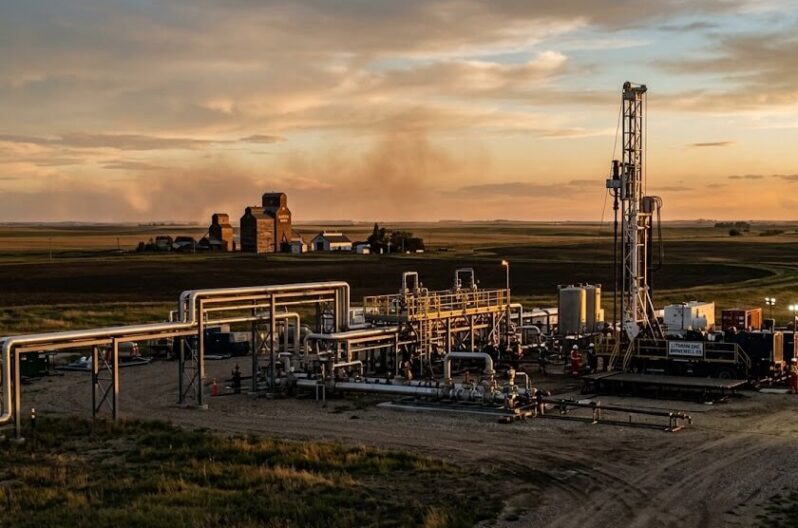
Alberta holds 82.5 million tonnes of lithium carbonate equivalent — one of the largest resources on earth, worth a theoretical US$1 trillion, and sitting in the same formation that built Alberta’s oil industry in 1947.

Three women just made NHL history at Oilers development camp — and it started with a text one of them almost mistook for spam.
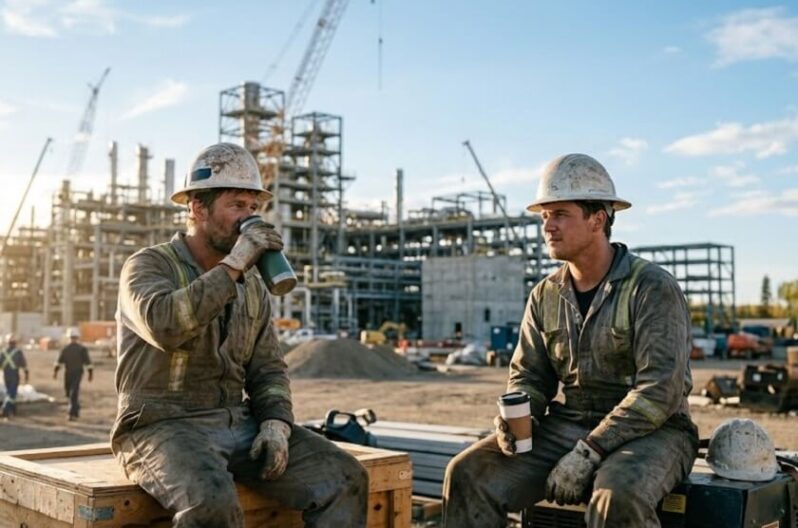
Behind Alberta’s data center boom is a ground-level story most coverage is missing — the trades workers, local suppliers, and communities that will feel it long after the announcement headlines fade.

Teledyne Technologies $20 million expansion just confirmed what Alberta has been quietly building toward — a high-skill manufacturing sector the rest of the world is starting to notice.
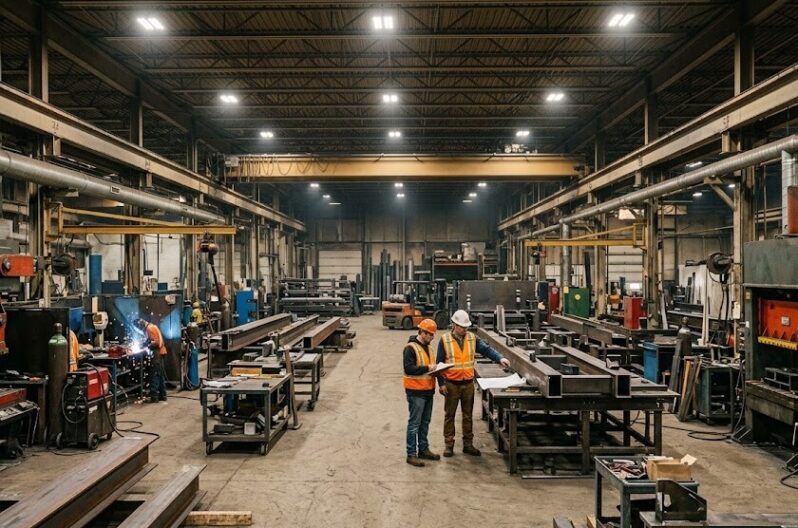
A federal program designed to help Alberta’s factories, processors, and manufacturers cut energy costs ran out of room in under a year. The waitlist is growing. More money has just arrived. It still probably won’t be enough.

AI search isn’t showing customers a list anymore — they’re making a pick. With 68% of Google searches now ending without a click, Alberta small businesses are discovering that their directory listings, not their websites, are what the algorithm checks first.

Federal minister Dominic LeBlanc visited Fort McMurray and Red Deer this week — bringing $51 billion in infrastructure funding and a push to tear down Canada’s interprovincial trade barriers.
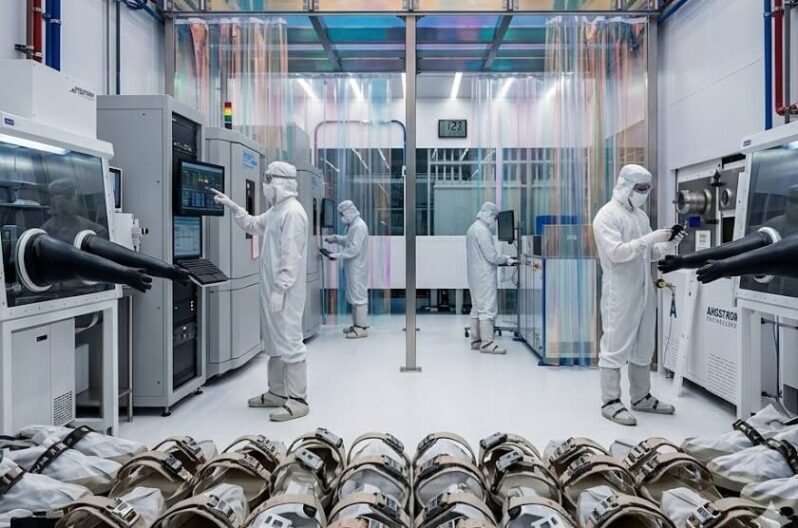
Alberta Innovates is investing more than $14 million in shared infrastructure across semiconductors, defence, and agri-food — and attracting nearly $48 million in partner contributions in the process. The real story isn’t about funding, its about what happens when a province decides to stop watching its best ideas dissappear into other countries.