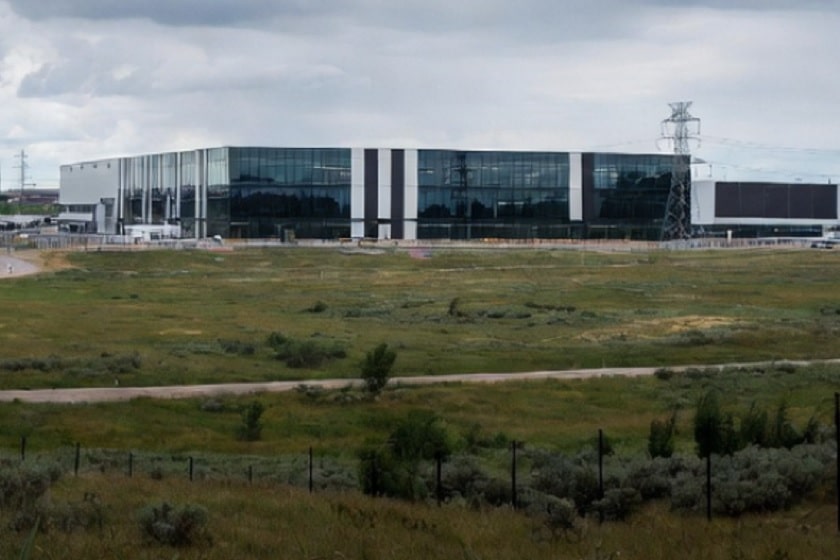
Alberta Carbon Pricing and Data Centres – New Energy Shaping Business
Alberta’s carbon pricing negotiations with Ottawa are increasingly tied to data centre development, a shift that could influence energy demand, investment decisions, and local business opportunities across the province.
Across Alberta, the conversation around energy has traditionally centred on production—how much can be extracted, processed, and moved to market. In places like Calgary, where many energy companies are headquartered, and Fort McMurray, where production defines the local economy, that focus has shaped decades of growth and investment.
But a different kind of demand is starting to enter the picture.
As negotiations continue between Alberta and the federal government over industrial carbon pricing, data centres have emerged as a key part of the discussion. These facilities, which power everything from cloud computing to artificial intelligence systems, require large and consistent amounts of electricity—making them both an opportunity and a challenge in a province working to balance economic growth with emissions targets.
At a glance, the issue may seem technical. In practice, it reflects a broader shift in how energy is being used. Instead of simply exporting resources, Alberta is increasingly being looked at as a place where energy can be consumed at scale to support digital infrastructure.
That shift has implications that extend well beyond the facilities themselves.
In cities like Edmonton, where a growing tech and research presence intersects with established energy expertise, the potential for data centre development introduces a new layer of economic activity. These projects can bring construction work, long-term operational roles, and demand for specialized services that support both technology and infrastructure.
Even in communities like Red Deer, which often serve as regional hubs, the indirect effects can begin to show up over time. Increased energy demand, infrastructure expansion, and related service needs tend to ripple outward, creating opportunities for businesses that may not be directly connected to the tech sector.
What makes data centres particularly relevant in the current conversation is their relationship to carbon pricing. Because they require significant power, the cost and source of that energy become central to where they are built and how they operate. For Alberta, that raises questions about how to remain competitive while meeting evolving environmental expectations.
At the centre of the discussions are a few key considerations:
- How carbon pricing policies affect the cost of operating large energy-intensive facilities
- Whether Alberta can offer a reliable and competitively priced energy supply
- How emissions targets are balanced with the desire to attract new investment
These are not abstract policy debates. For companies deciding where to build major infrastructure, they directly influence site selection, timelines, and long-term viability.
At the same time, the conversation highlights a broader evolution in Alberta’s economy. While oil and gas remain central, there is a growing recognition that future growth may come from how energy is used as much as how it is produced. Data centres represent one example of that shift, where existing strengths—abundant energy, available land, and technical expertise—can be applied in new ways.
There are, however, trade-offs to consider. Large-scale energy use tied to digital infrastructure can place additional pressure on power systems, requiring upgrades and careful planning. Communities and policymakers alike will need to consider how growth is managed to ensure that benefits are shared while impacts are understood and addressed.
For local businesses, the opportunity often lies in proximity to change. As new types of projects emerge, the businesses that are already embedded in their communities—providing services, building relationships, and staying visible—are often the ones that adapt most quickly.
For now, negotiations between Alberta and Ottawa are ongoing, and the details of how carbon pricing will evolve remain uncertain. But the inclusion of data centres in that conversation signals something broader: a recognition that Alberta’s energy future may be shaped not only by pipelines and exports, but also by the infrastructure that powers a more digital economy.
And in communities across the province, where local businesses continue to support both established industries and emerging ones, staying connected to those shifts remains part of how Alberta moves forward—something Alberta’s Best reflects in the way it brings those connections into view.
Sources
- Data centres, Alberta carbon pricing negotiations with Ottawa — iPolitics
