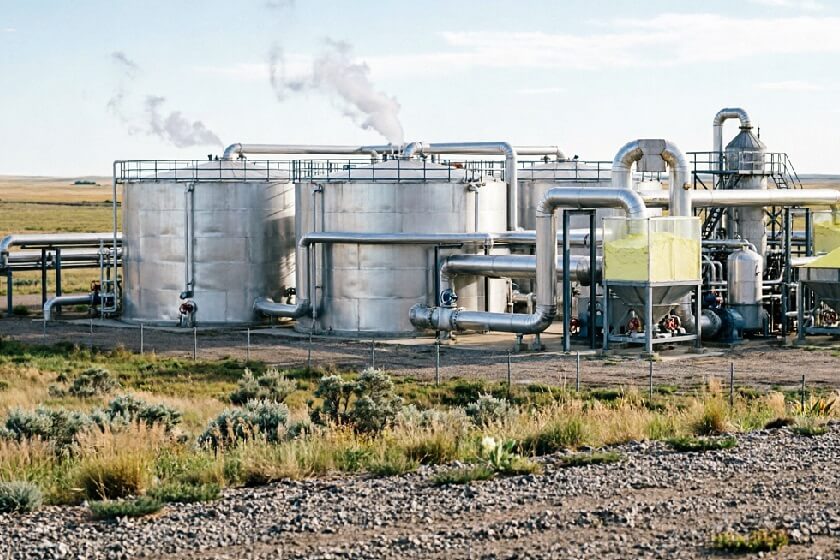
New Alberta Manufacturing Facility Signals Growth in Agriculture and Energy Innovation
A new manufacturing facility in Alberta is turning Sulphur into high-value agricultural products, highlighting growth in innovation, local industry, and global demand.
There’s a difference between talking about economic growth and actually building it. Growth shows up in reports and projections, but building shows up in places you can point to — a facility going up, equipment being installed, and people being hired to make something real.
That distinction is easy to overlook, but it matters.
A newly announced manufacturing facility in Alberta focused on micronized sulphur technology is a good example of what that looks like in practice. The project, a collaboration between Sultech and Canlin Energy, is designed to scale production of specialized sulphur products used in agriculture, particularly for improving crop performance.
On the surface, it’s a single investment. In reality, it reflects a broader pattern.
Turning Resources Into Products
Alberta has never lacked raw materials. What has evolved over time is how those materials are used, with more focus now placed on processing, manufacturing, and value-added production.
Sulphur is a clear example of that shift. As a byproduct of natural gas processing and oil refining, it has long been part of Alberta’s resource base. What’s changing is how it’s being utilized. Technologies like micronization allow sulphur to be refined into more specialized products with specific agricultural applications.
That transition, from raw material to refined product, changes both the value of what’s produced and where that value is created.
Why Agriculture Is Part of the Story
The end use of this technology is just as important as how it’s produced. Micronized sulphur plays a role in crop protection and soil health, placing it within a global agricultural system that continues to grow alongside rising food demand.
Canada is already a major agricultural exporter, and Alberta sits in a unique position where energy and agriculture intersect. Developments like this are a reflection of that overlap, where one industry begins to support and enhance another.
Manufacturing Creates a Different Kind of Presence
Not all economic activity behaves the same way. Resource extraction can fluctuate with global prices, while manufacturing tied to ongoing demand tends to create a more consistent operational footprint.
Facilities like this are built to operate over the long term. They require people to run them, maintain them, and support them, which naturally brings in a range of surrounding services and local business activity. Over time, that creates a more stable and visible economic presence within a community.
What Happens Around a Facility
When a new manufacturing site is developed, the impact rarely stays contained within the company itself. Construction involves local contractors, operations rely on service providers, and transportation networks move both inputs and finished products.
These connections form gradually, but they are what turn a single project into part of a broader local economy. Each business involved contributes in a small way, but together they create something more substantial and lasting.
A Signal, Not Just a Project
Announcements like this are easy to view as isolated developments, but they often signal something larger. Companies don’t invest in new facilities without a clear reason, and those decisions are usually based on long-term conditions rather than short-term trends.
In Alberta’s case, those conditions continue to include access to resources, established infrastructure, and a workforce with relevant experience. When those elements align, investment tends to follow.
The Role of Innovation
While the facility itself is physical, the driver behind it is technological. Micronized sulphur production depends on processes that improve how the material performs in agricultural applications.
This kind of innovation doesn’t replace existing industries. Instead, it builds on them. A long-standing byproduct becomes part of a more advanced product, connecting energy production to agriculture in a more direct and useful way.
What This Means for Alberta
Projects like this don’t transform the economy overnight, but they do add another layer to it. They create new opportunities for businesses, new types of work, and new ways to generate value from existing resources.
Over time, enough of these developments begin to shift how the economy functions, not by replacing what’s already there, but by expanding on it.
A Closing Observation
Economic development is often discussed in broad terms, but it becomes real at a much smaller scale. A facility being built, equipment being installed, and people being hired to produce something tangible are the moments where growth takes shape.
Alberta’s Best Business Directory exists to reflect that same reality, helping people connect with businesses that are actively building, producing, and contributing to their communities every day.
Sources
- BNN Bloomberg. Sultech and Canlin Energy announce new Alberta manufacturing facility to scale micronized sulphur technology for global crops. April 14, 2026.
- Alberta Energy Regulator. Sulphur production and byproduct data in Alberta.
- Government of Alberta. Petrochemical and value-added resource development strategy.
- Agriculture and Agri-Food Canada. Crop input demand and agricultural production trends.
