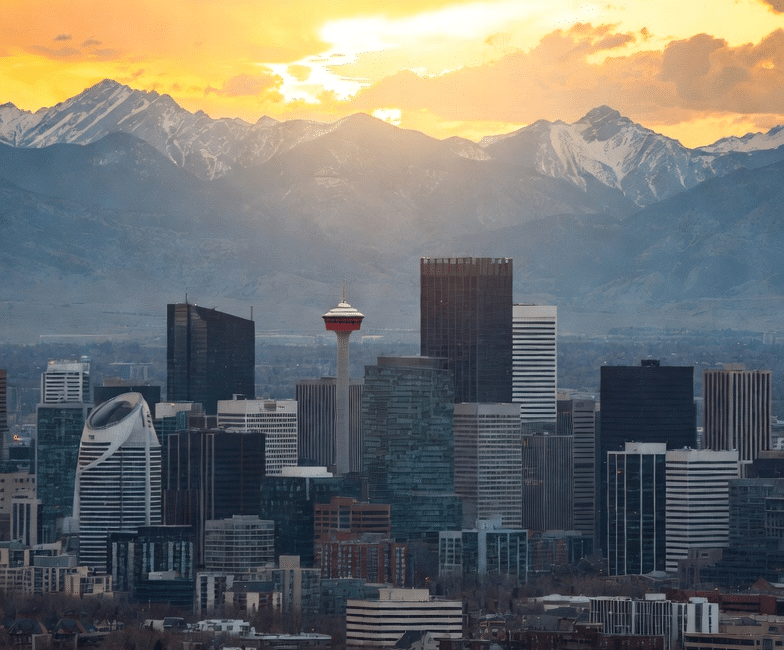
As 2025 draws toward its close, Alberta’s economic story is one of resilience amid uncertainty. While the broader trade landscape remains challenging, Alberta’s economy continues to show a degree of resilience, underpinned by activity in residential construction, steady energy production, and sustained population growth.
The Current Landscape
Let’s address the elephant in the room: economic forecasts have been revised. Trade uncertainty and a slowdown in international migration created headwinds, leading ATB Financial to lower its GDP growth forecast from October’s projection of 2.8 per cent growth in 2025 to 2.5 per cent. But context matters—Alberta is still outpacing national growth.
Year-to-date growth in the Alberta Activity Index remained solid at 2.9%, with gains across all sectors, supported by accelerating manufacturing shipments, wholesale trade, and the rapid pace of housing starts. These aren’t abstract economic indicators—they represent jobs, opportunities, and sustained demand for local businesses.
Why Alberta Continues to Stand Out
Natural gas producers are benefiting from the start of LNG Canada and increased demand from AI data centres, while the Trans Mountain Expansion supports energy production. But Alberta’s strength goes beyond traditional energy.
A broadening of Alberta’s economic base, with recent expansions in sectors such as food processing, petrochemicals, and technology, supports the longer term outlook. This diversification means communities aren’t dependent on a single industry’s fortunes.
The construction sector tells a compelling story. Housing starts are reaching levels not seen for nearly 20 years, driven by the province’s rapid population increases. Every new home means work for trades, opportunities for suppliers, and customers for home service businesses.
What This Means for Communities
Alberta gained 6,187 people through interprovincial migration in the second quarter of 2025, leading the country for twelve straight quarters. These aren’t just statistics—they’re families choosing Alberta, professionals relocating for opportunity, and young people starting their careers in our communities.
Over the one-year period from April 1, 2024 to April 1, 2025, Alberta’s population gain was 138,136 for a country-leading growth rate of 2.9%, well above the national increase of 1.2%. Alberta accounted for over a quarter of Canada’s total population growth despite having just 12 percent of the nation’s population.
The Realistic View Forward
The unemployment rate is expected to remain elevated as employers remain cautious on hiring and more people enter the workforce. This presents both challenge and opportunity. More people means more potential customers, but businesses need to be strategic about growth.
In 2025, there were 202 businesses nominated for Alberta Business Awards, with 36 finalists and 13 recipients recognized for outstanding achievement in innovation, community impact, and sustainable practices. These success stories share common themes: adaptability, community focus, and resilient business practices.
Building for Tomorrow
While the path forward is not without its challenges, solid fundamentals support Alberta’s medium term outlook, namely, abundant natural resources, a skilled and young workforce, and communities committed to supporting local business.
The businesses that will thrive aren’t necessarily those with the biggest marketing budgets or the flashiest technology. They’re the ones building genuine relationships with their communities, delivering consistent quality, and adapting thoughtfully to changing conditions.
As we close out 2025 and look toward 2026, Alberta’s economic foundation remains strong. For local businesses willing to stay connected to their communities and navigate change with resilience, the opportunities are real and growing.
Thank you for being part of the albertasbest.ca/ community. Together, we’re connecting Albertans with the local businesses that make our communities stronger.
